Baking in Denver? Here's Why Your Cake Collapsed (and How to Fix It)
At 5,280 feet, your cake rises too fast and falls too hard. Here's exactly what to adjust for high altitude baking.
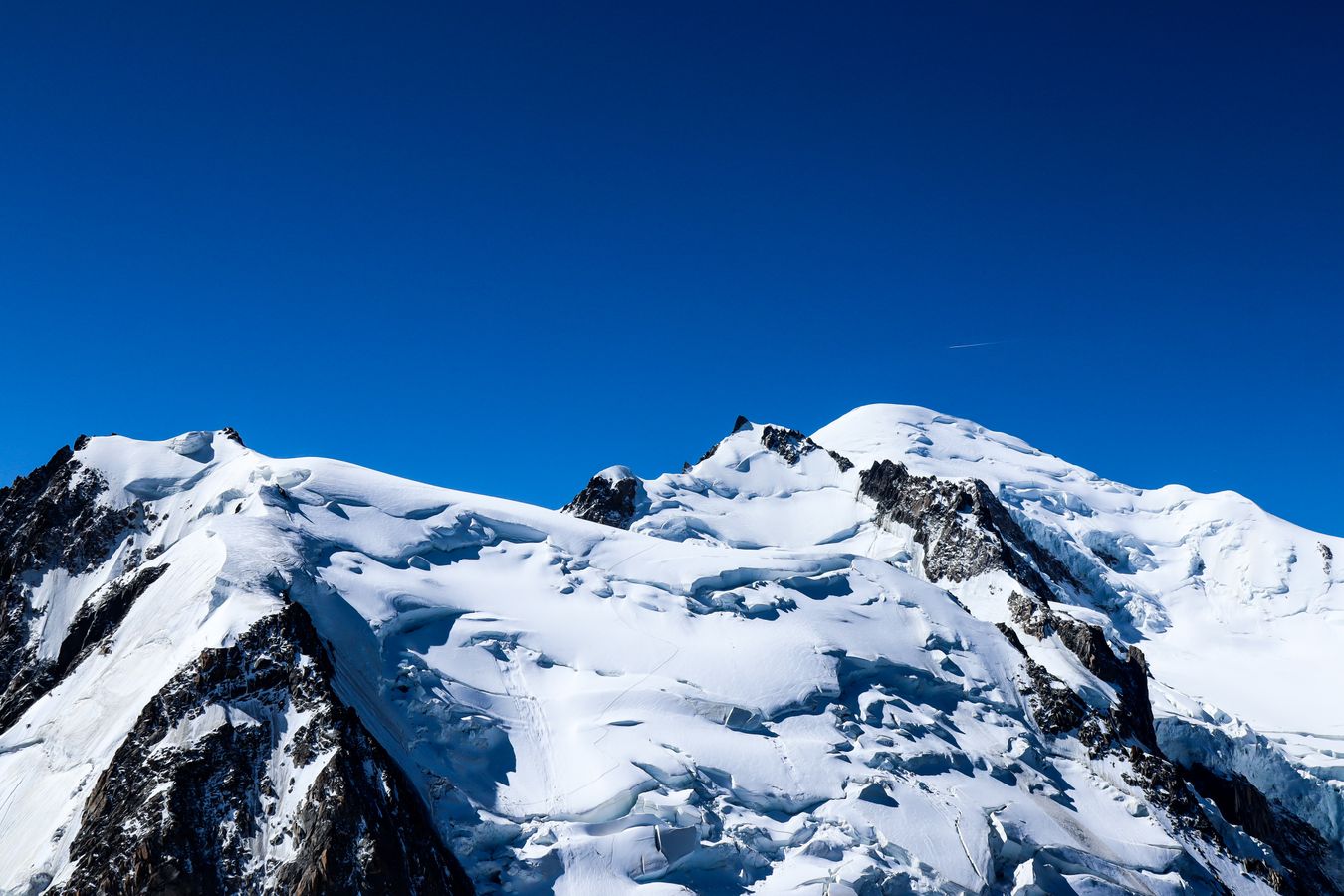
If you live above 3,500 feet and your cakes keep rising beautifully, then sinking in the center, you are not imagining it. The recipe may be fine at sea level. Your kitchen is just playing by different rules.
At altitude, air pressure is lower. Gases expand faster, moisture leaves batter sooner, and structure has less time to set. A cake can look successful for the first twenty minutes and still collapse before it cools.
High altitude baking is not about adding random flour. It is about giving the batter enough structure before the gases outrun it.

The Science (Quick Version)
Three changes matter most in a home kitchen:
- Leavening works harder. Baking powder and baking soda release gas, and that gas expands more aggressively than it does at sea level.
- Liquids evaporate faster. Batter can dry before the crumb has enough time to stabilize.
- Water boils lower. At about 5,000 feet, water boils near 203°F instead of 212°F, so steam behavior changes too.
Adjustment Guide by Altitude
| Adjustment | 3,500-5,000 ft | 5,000-7,000 ft | 7,000+ ft | Why it helps |
|---|---|---|---|---|
| Flour | +1-2 tbsp per cup | +2-3 tbsp per cup | +3-4 tbsp per cup | Adds structure |
| Sugar | -1 tbsp per cup | -2 tbsp per cup | -2-3 tbsp per cup | Reduces tenderness that can weaken crumb |
| Liquid | +1-2 tbsp per cup | +2-4 tbsp per cup | +3-5 tbsp per cup | Offsets faster evaporation |
| Leavening | -15% | -20% | -25% | Slows over-expansion |
| Oven temperature | +15°F | +25°F | +25°F | Sets structure sooner |
What This Means in Grams
If a recipe calls for 250g of flour at sea level, Denver often needs about 260g to 268g depending on the recipe. A delicate butter cake may need the higher end. A dense banana bread may need less.
If the recipe calls for 200g of granulated sugar, try reducing to about 185g to 190g at Denver altitude. Less sugar helps the crumb set with more strength.

Cities That Need These Adjustments
| City | Approx. elevation | Start with this level |
|---|---|---|
| Salt Lake City | 4,226 ft | 3,500-5,000 ft |
| Denver | 5,280 ft | 5,000-7,000 ft |
| Albuquerque | 5,312 ft | 5,000-7,000 ft |
| Colorado Springs | 6,035 ft | 5,000-7,000 ft |
| Flagstaff | 6,910 ft | 5,000-7,000 ft |
| Santa Fe | 7,199 ft | 7,000+ ft |
The Quick Fix
For most cakes and quick breads around Denver elevation, start with this: add 2 tablespoons flour per cup of flour, reduce sugar by 1 to 2 tablespoons per cup, add 2 tablespoons liquid per cup, reduce leavening by about 20%, and raise the oven by 25°F.
Then write down what happened. High altitude baking rewards notes. If the center still sinks, reduce leavening a little more. If the crumb feels dry, add a touch more liquid next time.
Bottom Line
High altitude baking is not harder, but it is less forgiving. More structure, less over-expansion, a little more moisture, and a slightly hotter oven will solve most problems before they start.
BakingConverter Team
We're obsessed with precise baking measurements. Every conversion on this site is backed by USDA density data and tested in real kitchens.