The 20% Error: Why Your Cup Measurements Are Ruining Your Baking
The same cup of flour can weigh 120g to 150g depending on how you fill it. Here's why cup measurements fail and what to do about it.
Most cup-measurement problems do not look dramatic while they are happening. You scoop flour, level it off, keep moving, and only notice the damage when the cookies come out dry or the cake crumb feels tight.
The quiet problem is this: the same measuring cup can hold roughly 106g to 148g of flour, depending on whether the flour was sifted, spooned, or packed by dipping the cup into the bag. That is not a tiny rounding error. That is the difference between a recipe behaving and a recipe fighting back.
A cup is a container. A gram is a measurement. In baking, that distinction matters.

The Three Methods (and Why They Give Different Results)
There are three common ways people fill a measuring cup with flour. They all look normal. They do not bake the same.
Method 1: Spoon & Level
Fluff the flour, spoon it gently into the cup, then sweep the top flat with a knife. For all-purpose flour, this lands near 125g per cup. It is the method many American recipe developers assume when they write simply "1 cup flour."
Method 2: Dip & Sweep
Dip the cup straight into the flour bag and level it off. This compresses flour into the cup and often lands near 148g per cup. In a two-cup cake recipe, that can mean about 46g extra flour before the batter even reaches the pan.
Method 3: Sifted Into the Cup
Sifting before measuring aerates the flour. A cup may land near 106g. That can be useful when a recipe specifically says "1 cup sifted flour," but it is not interchangeable with a spooned cup.
The Real Numbers
| Ingredient | Spoon & Level | Dip & Sweep | Sifted | What changes in the bake |
|---|---|---|---|---|
| All-Purpose Flour | 125g | 148g | 106g | Cookies, cakes, muffins |
| Cake Flour | 111g | 131g | 94g | Tender cakes and cupcakes |
| Bread Flour | 130g | 154g | 111g | Dough strength and hydration |
| Granulated Sugar | 200g | 236g | 170g | Spread, browning, sweetness |
| Powdered Sugar | 120g | 142g | 102g | Frosting texture and dusting |

So What Should You Do?
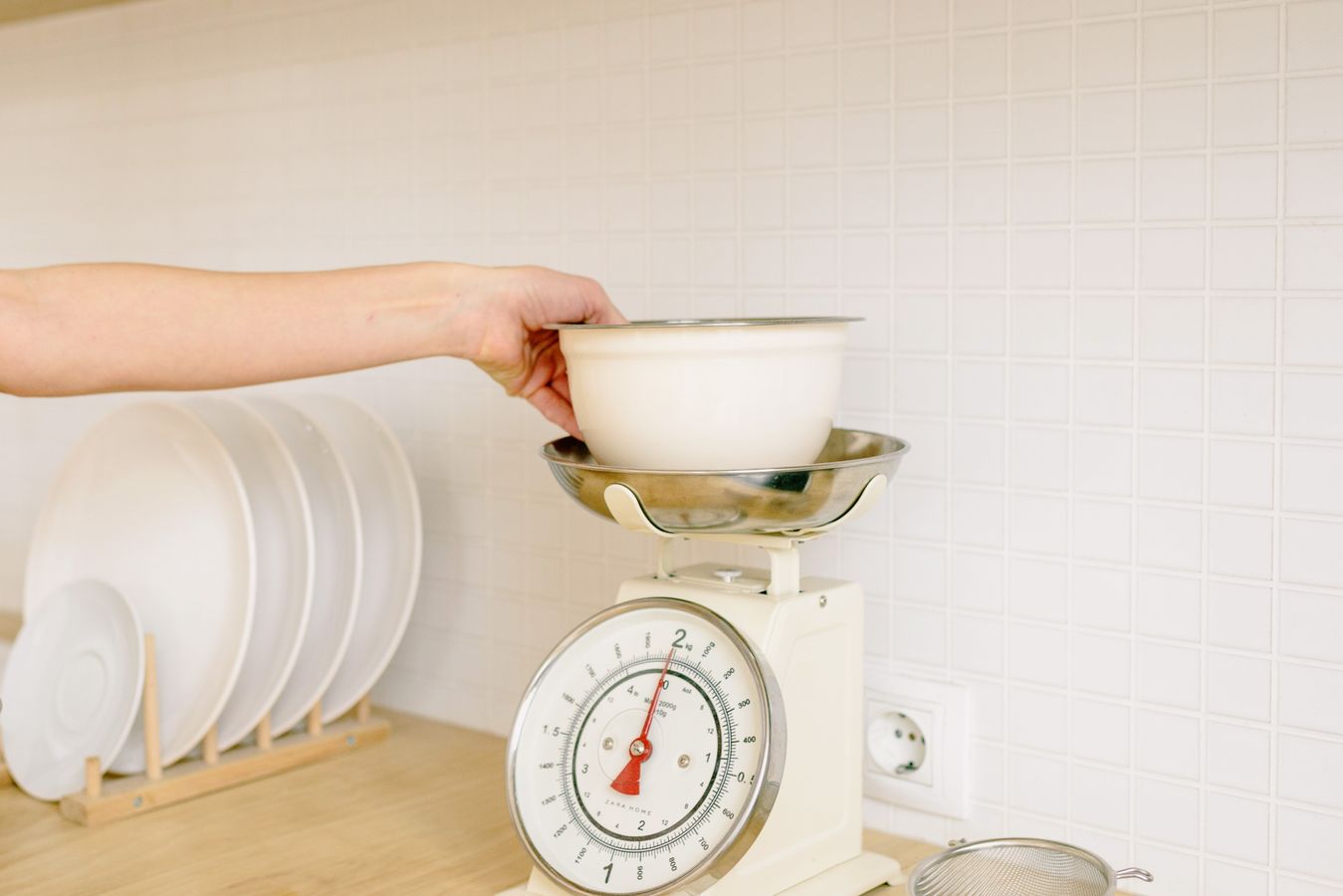
Use a kitchen scale when accuracy matters. This is the cleanest fix. 125g is 125g whether the flour came from a fresh bag, a packed canister, or a humid kitchen.
If you use cups, pick one method and stay consistent. Spoon the flour in gently, level it once, and do not tap the cup on the counter. Tapping settles the flour and quietly adds more.
Convert by ingredient, not by generic cup math. A cup of flour is not a cup of sugar by weight. If you need a quick reference, use the 125g flour to cups converter or the ingredient page for the exact item you are baking with.
The Bottom Line
Your recipes are probably not broken. Your oven may not be the villain. The phrase "1 cup flour" is simply less precise than it looks. Once you control that one variable, your bakes become easier to repeat, diagnose, and improve.
BakingConverter Team
We're obsessed with precise baking measurements. Every conversion on this site is backed by USDA density data and tested in real kitchens.