Butter Math: Why 113g Solid and 113g Melted Give Different Cup Numbers
113g of solid butter = 0.50 cups. 113g of melted butter = 0.57 cups. Same weight, different volume. Here's why it matters.
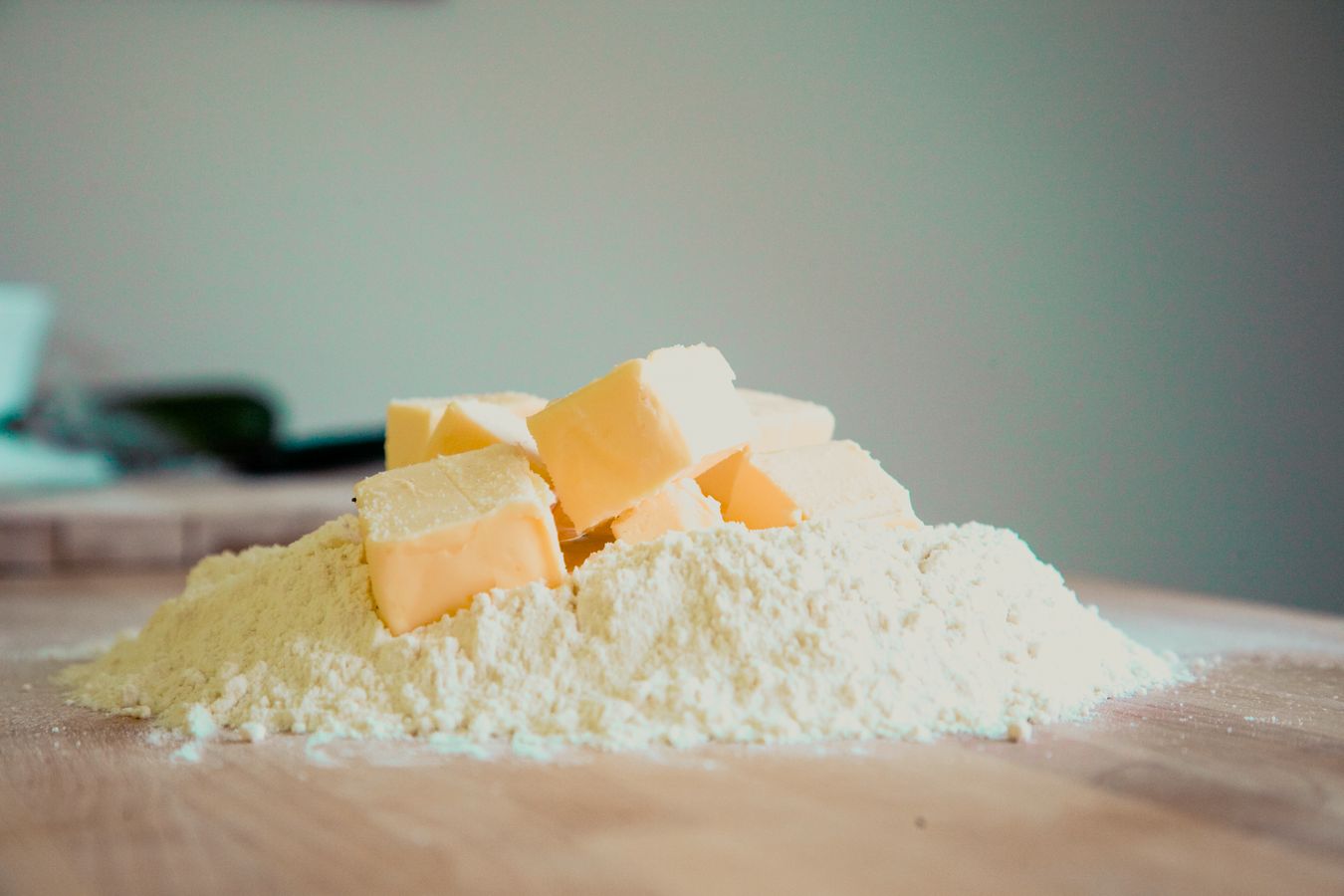
Butter looks simple until a recipe says "1/2 cup melted butter." Do you measure the stick first and melt it, or melt butter and pour it into a cup? Those two choices are not identical.
113g of butter is one standard U.S. stick. By weight, it never changes. By volume, it changes with temperature and state: cold, softened, or melted.
If the recipe gives butter in grams, trust the grams. If it gives butter in cups, pay close attention to the comma.
The Numbers
| Butter state | 113g equals | Best way to measure | Recipe risk |
|---|---|---|---|
| Solid, cold stick | 0.50 cups | Use wrapper marks or a scale | Reliable for most recipes |
| Softened, room temperature | About 0.53 cups | Weigh if possible | Can trap air when creamed |
| Melted | About 0.57 cups | Weigh before melting unless told otherwise | Can cause over-measuring by volume |
That is roughly a 14% volume difference between solid and melted butter. If you are making cookies, brownies, or a butter-heavy cake, that gap can change spread, tenderness, and greasiness.
Why Does This Happen?
When butter melts, the fat phase loosens and the water content can separate slightly. The same 113g occupies more space as a liquid than it does as a tidy cold stick. This is why "same weight" and "same cup volume" are not always the same instruction.

What Your Recipe Actually Wants
| Recipe wording | What to do | Why |
|---|---|---|
| 1/2 cup butter, melted | Measure 113g or one stick, then melt | The comma means the butter is measured first |
| 1/2 cup melted butter | Melt, then measure only if the recipe clearly means liquid volume | This wording can be ambiguous |
| 1/2 cup softened butter | Soften until it dents gently, but does not look oily | Needed for creaming and trapped air |
| 113g butter | Use the scale and ignore cup state | Weight is the stable instruction |
Using Our Converter
If you need to convert grams of butter to cups, use the butter converter and choose the right state. 113g of butter can be 0.50 cups as a cold stick or closer to 0.57 cups melted. Both answers are correct in the right context.
The same idea applies to coconut oil, which changes from solid to liquid around warm room temperature. When fat changes state, volume gets slippery. Weight stays sane.
The Quick Rule
When possible, weigh butter. If the recipe says "butter, melted," measure first and melt second. If it says "melted butter" and gives only cups, assume the recipe may be using liquid volume and proceed carefully. For repeatable baking, write down which version you used.
BakingConverter Team
We're obsessed with precise baking measurements. Every conversion on this site is backed by USDA density data and tested in real kitchens.